Skip to content

Our Services:
Descriptions of Our Various Offerings and Disciplines


Individual Psychotherapy

Individual psychotherapy, or “talk therapy,” is a collaborative, one-on-one process between a licensed mental health professional and a client. It provides a safe, confidential space to explore thoughts, emotions, and behaviors. The ultimate goals are to relieve symptoms, better understand your internal world, and build healthier coping strategies.

Family Therapy

Family therapy is a type of psychotherapy that improves communication and resolves conflicts within a family unit. It addresses how individual behaviors impact relationships and the family system as a whole. Typically led by licensed therapists or psychologists, it helps families navigate trauma, grief, addiction, and major life transitions.

Couples Counseling

Taking the first step toward couples counseling is an intentional and constructive move for your relationship. Whether you want to untangle long-standing communication patterns, repair trust, or simply check in on your relationship health, professional support provides a structured and neutral environment to do so

Group Therapy

Group therapy is a form of psychotherapy where one or more licensed professionals treat a small group of clients together. According to the American Psychological Association (APA), sessions typically bring together 5 to 15 participants who meet for one to two hours weekly. Clinical studies prove that group therapy is just as effective as individual therapy for treating conditions like depression, anxiety, and trauma.

Substance Use Disorder (SUD) Treatment/Recovery

Substance use disorder (SUD) is a treatable, chronic medical condition characterized by the recurring use of substances (such as alcohol, nicotine, or drugs) despite harmful consequences. It impairs a person’s ability to fulfill daily responsibilities and alters brain function, leading to a loss of control over consumption.

Comprehensive Community Support Services (CCSS)

Comprehensive Community Support Services (CCSS) are recovery-oriented, Medicaid-funded programs designed to help individuals with severe mental illnesses or co-occurring disorders live independently. Community Support Workers partner with clients to build life skills, monitor symptoms, and connect with vital local resources like housing and employment.

Case Management/Care Coordination

Case management and care coordination are collaborative healthcare processes designed to help patients navigate complex medical and social support systems. While similar, case management typically addresses an individual’s comprehensive and immediate needs, whereas care coordination focuses specifically on organizing services and information sharing across different providers.

Crisis Intervention / Stabilization

Crisis intervention and stabilization provide immediate, short-term support for individuals experiencing severe mental health or substance use challenges. The goal is to rapidly de-escalate symptoms, ensure safety, and connect the individual to ongoing community-based care to prevent unnecessary psychiatric hospitalizations or emergency room visits.

Telehealth Services

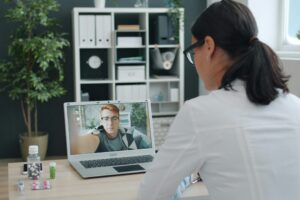
Telehealth services connect you with a licensed healthcare provider via smartphone, tablet, or computer for video/audio visits or secure messaging. It offers a convenient, low-wait alternative for non-emergency care, routine check-ins, mental health therapy, and prescription refills, often covered by standard insurance.

Trauma-Informed Therapy

Trauma-Informed Therapy is an approach to mental health care that recognizes how past trauma affects an individual’s well-being. Rather than asking, “What is wrong with you?”, this method shifts the focus to, “What happened to you?” It prioritizes emotional safety, trustworthiness, and empowerment to prevent re-traumatization during the healing process.

Psychoeducation / Skills Training

Psychoeducation and skills training is an evidence-based therapeutic approach that pairs education about a mental health condition with practical, hands-on coping strategies. It bridges the gap between insight and action, empowering individuals, families, and groups to actively manage symptoms and improve daily functioning.

Assessment / Diagnostic Evaluation

An assessment or diagnostic evaluation is a structured process used to identify a learner’s strengths, weaknesses, prior knowledge, and specific challenges. By pinpointing precise learning gaps or skill gaps before instruction begins, these evaluations allow educators to tailor teaching strategies and curriculum to meet individual needs.

Our Philosophy:

Our CSWs (Certified Social Workers) leverage their lived experiences with mental health or substance use recovery to offer guidance, advocacy, and support, fostering a sense of community and shared understanding in the recovery journey. By fostering mutual respect and shared understanding, they create a sense of community that empowers individuals on their recovery journey.

Real-World Engagement

Meeting clients in their natural environments helps them apply coping skills and recovery tools in everyday life. It brings recovery out of the clinical setting and into the real world, where challenges actually occur.

Reduces Stigma and Isolation

Community-based work normalizes recovery, showing healing does not have to be hidden. It also combats isolation, which is a major barrier to mental health, especially for people who feel disconnected from society.

Builds Trust and Accessibility

Clients often feel more comfortable and open when they are outside a formal clinical environment. Meeting at a local coffee shop or while walking in the park can make conversations more relaxed and meaningful.

Promotes Independence and Empowerment

A CSW helps clients set and achieve personal goals—like applying for jobs, accessing public transport, or engaging in hobbies. Supporting clients in the community fosters self-efficacy and independence.

Flexible and Person-Centered Support

Community-based support work allows the support to be tailored to the client’s life—addressing issues as they come up in real time and adjusting to the client’s changing needs.

Please reach out for any questions or a consultation.

Back To Top